Understanding Rope Materials: Which Type Works Best for Your Sculpture
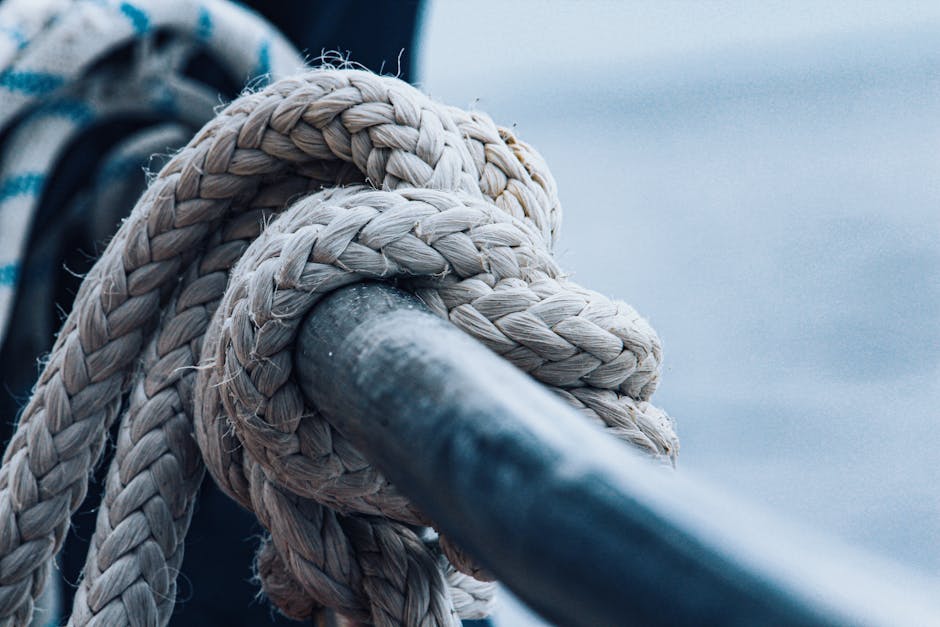
When creating bondage sculptures, the rope you choose forms the foundation of your work. Different materials offer distinct aesthetic and practical qualities that will influence both the final appearance and longevity of your piece.
Natural Rope Options
Jute and hemp ropes remain popular choices among sculptors. Jute provides a warm, rustic appearance and ages beautifully, developing character over time. Hemp rope is incredibly strong and holds knots securely, making it ideal for larger installations. Both materials are biodegradable and offer authentic texture that photographs exceptionally well. However, they require proper storage in dry conditions to prevent mildew and degradation.
Cotton rope is softer and gentler on the eye, working well for more delicate compositions. It's easier to work with and dye, allowing creative colour exploration. The downside is reduced durability outdoors and susceptibility to rot if exposed to moisture.
Synthetic Alternatives
Nylon and polypropylene ropes excel in outdoor settings. They resist weather, UV damage, and moisture, making them ideal for permanent public installations. Nylon offers superior strength and holds its colour longer, whilst polypropylene provides a lighter, more affordable option. The trade-off is that synthetics lack the organic warmth of natural fibres and can appear plastic-like in certain lighting.
Rope Diameter and Weight Considerations
Thicker ropes create bolder visual statements but require stronger anchor points. A 12mm diameter rope makes powerful sculptural statements, whilst 6-8mm works better for intricate detailed work. Consider your structure's weight capacity and the visual proportion relative to your space.
Practical Selection Guide
For indoor installations, natural ropes offer superior aesthetics. For outdoor work, especially in public spaces, synthetic materials provide necessary durability. Mixed-media approaches—combining rope types—can create striking visual contrasts and add conceptual depth to your work.
Test samples before committing to large quantities. Observe how different ropes respond to your knot techniques, how they catch light, and how they age. Many sculptors maintain relationships with specialist rope suppliers who understand artistic applications beyond industrial uses.
Budget matters too. Jute costs less than quality hemp, but hemp's superior longevity often provides better value for permanent pieces. Synthetic ropes sit between these options, offering reasonable pricing with extended lifespan.
The best material ultimately serves your artistic vision whilst respecting practical constraints of your installation space and intended audience interaction.