Knot Techniques Every Bondage Sculptor Should Master
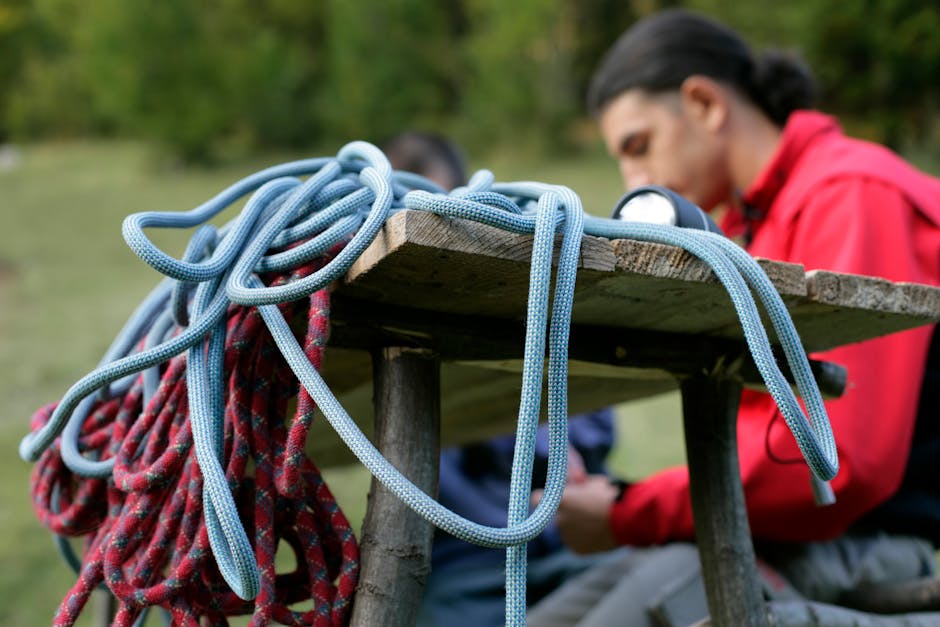
Knot technique separates amateur rope work from sophisticated bondage sculpture. The knots you choose communicate visually and determine structural integrity. Understanding traditional and contemporary approaches expands your creative vocabulary.
Foundational Knots
The square knot remains essential—it's reliable, visually clean, and works across scales. Double half-hitches provide secure anchor points and appear frequently in classical compositions. The bowline creates fixed loops that hold shape without slipping, useful for creating geometric patterns. These basics appear in countless sculptures because they work.
Decorative Knotwork
Crown knots and turk's head knots create elaborate visual interest. Crown knots stack vertically to form textured columns. Turk's head knots wrap cylindrically, creating ornamental bands. Both techniques require practice but reward effort with striking visual results. They work particularly well in pieces emphasising restraint and control aesthetically.
Shibari and Japanese Rope Bondage Influence
Shibari techniques have influenced contemporary sculpture significantly. The chest harness pattern, leg wraps, and shoulder bindings translate beautifully into static sculpture. These techniques create geometric patterns that photograph exceptionally well and carry cultural resonance. Study shibari not to appropriate practices, but to understand how rope naturally creates aesthetic form around the human body.
Tension and Pressure Knots
Some pieces benefit from visible tension—knots pulled tight creating dramatic visual strain. Others emphasise loose, flowing forms. Experiment with both approaches. Tight knots convey control and intensity. Loose knots suggest movement and freedom. The contrast between tight and loose elements within single pieces creates dynamic visual interest.
Functional vs. Aesthetic Knotwork
Not every knot needs to serve structural purpose. Decorative knots layered atop functional ones add complexity. However, avoid knots so elaborate they confuse visual reading. Viewers should understand the composition's basic structure relatively quickly, allowing deeper appreciation upon closer examination.
Practice and Refinement
Develop muscle memory through repetition. Tie the same knot hundreds of times until your hands work intuitively. This frees your mind to consider composition, proportion, and artistic intention. Many sculptors practice knots whilst watching television or listening to podcasts, building skill during downtime.
Documentation and Sharing
Photograph your knot work in detail. Create reference guides for pieces you exhibit—curators and collectors appreciate understanding technical decisions. Connect with rope communities online; UK rope groups share techniques and inspiration regularly.
Knot mastery transforms rope from material into language. Your technical skill enables your artistic vision to translate clearly.